
In the last twelve months the average UK smartphone user has spent about 4.5 hours a day on apps, and roughly half of that time is on games. That statistic alone tells you why developers are treating phones as the primary console. I stopped waiting for a weekend to binge‑play a new title; now I finish a whole campaign during a commute.
Instant Access Beats Waiting for a Disc
When I first downloaded a popular RPG on my iPhone, the entire game launched in under 30 seconds on a 4G connection. Compare that with the 10‑minute loading screens I endured on my old console. The difference is tangible: I can start a quest while waiting for the train, and I never have to schedule a “gaming night” around a disc‑swap.
Developers are also trimming file sizes. Many titles now sit under 1 GB, meaning a 5‑minute Wi‑Fi download is enough to get the full experience. For players with limited data plans, that efficiency translates into real savings.
Micro‑Sessions Fit Modern Lifestyles
Short, self‑contained levels are the new norm. A puzzle game I play daily offers a fresh challenge that can be solved in 2–3 minutes. Over a week that adds up to a full hour of entertainment without feeling like a chore.
Even narrative‑driven games have adapted. They now use “chapter checkpoints” that let you pause after a single scene. I’ve completed three story arcs in a single lunch break, something that would have required a dedicated evening on a PC.
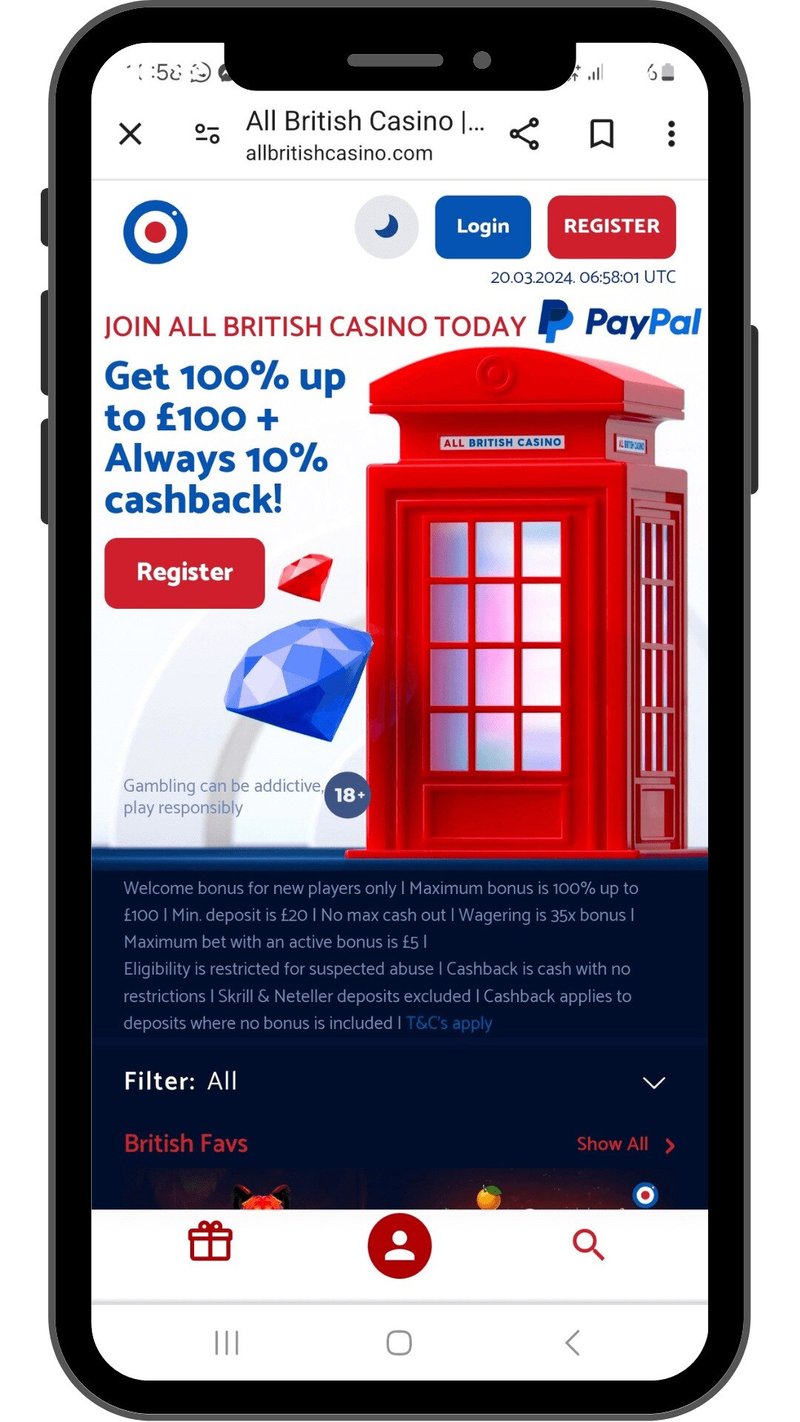
Social Features Turn Phones Into Mini‑Arcades
Leaderboards, real‑time matchmaking, and in‑app chat rooms mean you’re never truly alone. I joined a clan of ten players from Manchester and London, and we coordinate raids through a shared Discord channel. The sense of community feels as strong as any LAN party, but it fits in my pocket.
These social layers also encourage competition. In one racing game, the top 5 % of UK players earn weekly bonus packs, a reward system that pushes me to improve my lap times each weekend.
Monetisation Is Getting Smarter
Free‑to‑play titles once relied on aggressive ads, but many now offer “ad‑free passes” for as little as £2.99 per month. I tried the pass on a strategy game and noticed a 30 % increase in daily playtime because the interruptions vanished.
Micro‑transactions have also become more transparent. Prices are displayed in pounds, and the purchase flow requires a two‑step confirmation, reducing accidental spend. This clarity helps players like me budget their entertainment without surprise charges.
From Mobile Screens to Online Gaming
While I enjoy the convenience of mobile titles, the line between phone games and broader online entertainment is blurring. For example, many developers now host cross‑platform tournaments that let you compete from a tablet, a PC, or even a console. One such platform I’ve explored is Spin Million Casino, which blends traditional casino games with the same quick‑play design you see on mobile apps.
Challenges Remain for UK Players
Not every aspect is perfect. Battery life still suffers when you push graphics‑intensive games for hours; my phone drops from 100 % to 20 % after a single session of a high‑resolution shooter. Additionally, smaller screens can make text hard to read, especially for older players who prefer larger fonts.
Data caps are another hurdle. Although many games are now under 1 GB, a heavy user can still consume 2–3 GB a month, which is significant for those on limited broadband plans.
What the Future Holds
Looking ahead, 5G rollout across the UK promises even faster downloads and lower latency, which will make cloud‑gaming services viable on phones. I expect to see more titles that stream directly from powerful servers, eliminating the need for large local storage.
Augmented reality is also on the horizon. Early experiments let you project game elements onto your living room wall using just your phone’s camera. If those prototypes become mainstream, the distinction between “mobile” and “real‑world” entertainment may disappear entirely.
In short, mobile gaming has moved from a casual pastime to a central pillar of UK entertainment. It offers speed, flexibility, and social connectivity that traditional platforms struggle to match, even if battery drain and data usage still need attention. The next few years will likely cement phones as the default gaming device for most players.
Frequently Asked Questions
How much time do UK smartphone users spend on gaming apps daily?
On average, users spend about 2.25 hours a day on gaming apps, roughly half of their total app usage.
Why are developers treating phones as the primary console?
Because instant access and high engagement make mobile a lucrative platform, allowing developers to reach a massive audience instantly.
What makes mobile games launch so fast?
Optimized asset streaming, efficient coding, and fast 4G/5G networks allow games to load in under 30 seconds.
How does mobile gaming impact traditional console sales?
While consoles still thrive, mobile gaming captures casual gamers, expanding the overall gaming market rather than directly cannibalizing console sales.